

Direct bookings generate significantly greater profits than third-party platforms. Due to the large percentage of commission paid to third-party sites that take away a major portion of a hotel’s daily revenues, hotel sales teams have had to rethink their strategies.
They need new methods for capturing customer demand and hotel sales lead generation, therefore generating profits from direct bookings. This guide outlines several techniques, tools, and response guidelines to build an extremely successful hotel sales engine.
The Cost of Third-Party Booking Sites
The primary conclusion of this guide on revenue and capturing direct demand indicates that traditional third-party booking websites charge between 15% and 30% in commission fees of the gross revenue of a hotel for online reservations made through their website. Hotel companies have developed two different sales engines, one focused on the transient (individual) customer and another focused on large corporate events.
To maximize the success of these respective sales engines, both will require fast response times, very tight and accurate data tracking, and current forms of booking systems for both individual and corporate event sales. Direct inquiries from customers should be responded to in 15 minutes or less.
Direct requests from corporate groups should be responded to in 2 hours or less. Likewise, mobile booking systems have an enormous abandonment rate of as much as 81% of the potential user base completing their payment process. Correcting these basic operations will allow hotels to reclaim a significant amount of lost revenue.
Creating a System for Hotel Sales Lead Generation
Keeping Individual and Group Sales Separate
Hotels need to create a dual engine system to serve both the transient and large event customer bases.
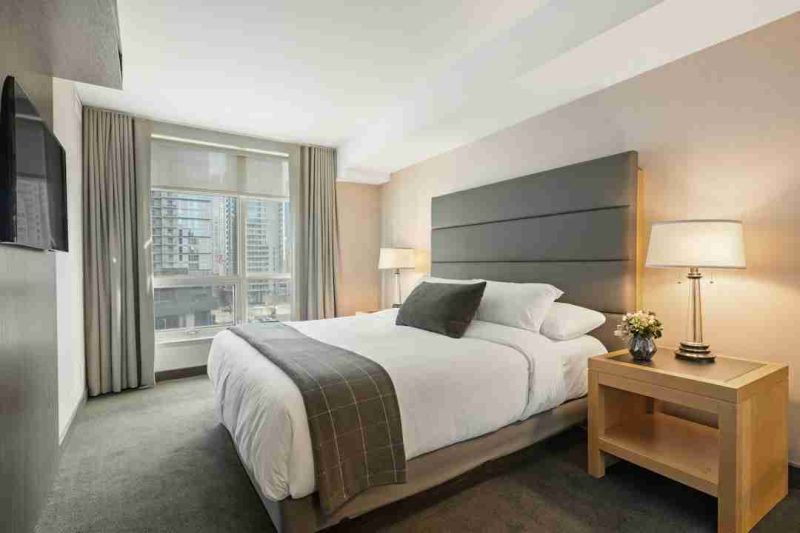
The most profitable revenue managers operate two separate pipelines, one supplying demand for transient customers and the other supplying demand for corporate events. The transient pipeline captures demand through search engines and social media, while the corporate pipeline captures demand primarily through the hotel’s website and third-party booking sites.
To maximize their respective revenues, hotels using the separate transient and corporate event sales engines must establish strict pricing rules consistent with those used by third-party booking agencies.
Hotels must ensure that their direct website provides the customer a unique incentive or benefit that cannot be found on any third-party sites in order to drive traffic away from the third-party booking sites. Examples of these incentives would be free parking or a late checkout option.
When it comes to group business (e.g., corporate meetings, weddings, local associations, industry events), hotels must treat this segment as a completely separate entity from individual booking. The reason being that the way group requests get 'sold' to hotels is much more of a "sales" effort than an automated digital process. Mixing the two together is a recipe for disaster due to the operational failures that will occur as a result.
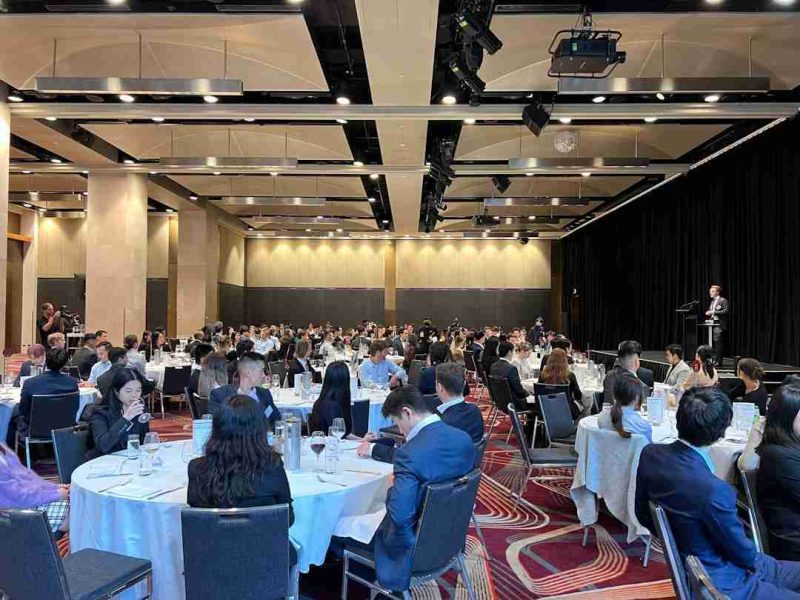
Group requests need dedicated sales representatives who are familiar with what is required when booking meeting room sizes, food and beverage minimums, room blocks, etc.
Whereas when making individual bookings, automated, digital pathways exist with no human interaction required throughout the entire process. By keeping these two groups separate, hotels can devote those marketing dollars to the higher volume of individual bookings while also putting trained sales staff out in the field to actively pursue high-value group contracts through their local tourism board, as well as in the corporate world.
Setting Strict Response Times
Speed is an enormous factor in determining which hotel lands the contract. When a prospect sends out a request for a corporate retreat, they typically send that same information to 3-4 other hotels in the same vicinity as yours. More times than not, the hotel that responds first with a clear proposal will win the business.
Therefore, hotels must establish strict rules regarding how quickly they need to respond to inquiries. Individual guest inquiries must receive a response within 15 minutes while group events must receive a detailed response within 2 hours of normal business hours.
If your hotel cannot meet these hotel sales lead generation guidelines, you will be giving up potential revenue to competitors. There needs to be an owner assigned to answering the phone and responding to emails at all times; this may be someone who works at the front desk, in reservations, or as a sales manager.
Timing Your Corporate Outreach
The timing of outbound sales efforts is critical for success in active outbound sales. It is not possible to begin calling corporate travel planners 2 weeks before the start of your "slow season".
Event planners follow strict, predictable timelines for when they make reservations based on the type of event they are planning. Corporate meetings and other small events typically take place 30-60 days prior to the event.
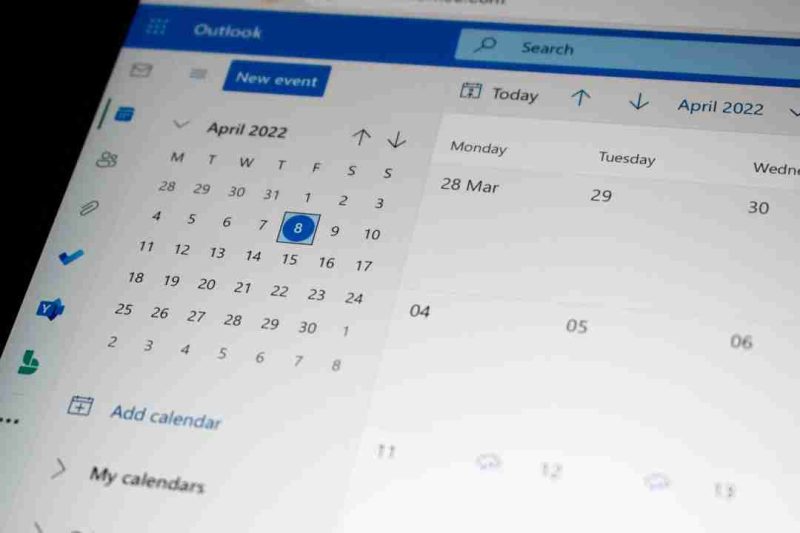
Weddings and large association conferences typically reserve venues 6-12 months in advance. Therefore, sales teams should create a calendar for outbound sales outreach based on these natural booking periods. If your goal is to fill up your empty rooms in January, you must start reaching out to corporate targets during early November. This calendar approach helps sales teams ensure they are focusing their efforts on the right decision makers at the right time for your target dates.
How to Fix Mobile Payment Drop Offs
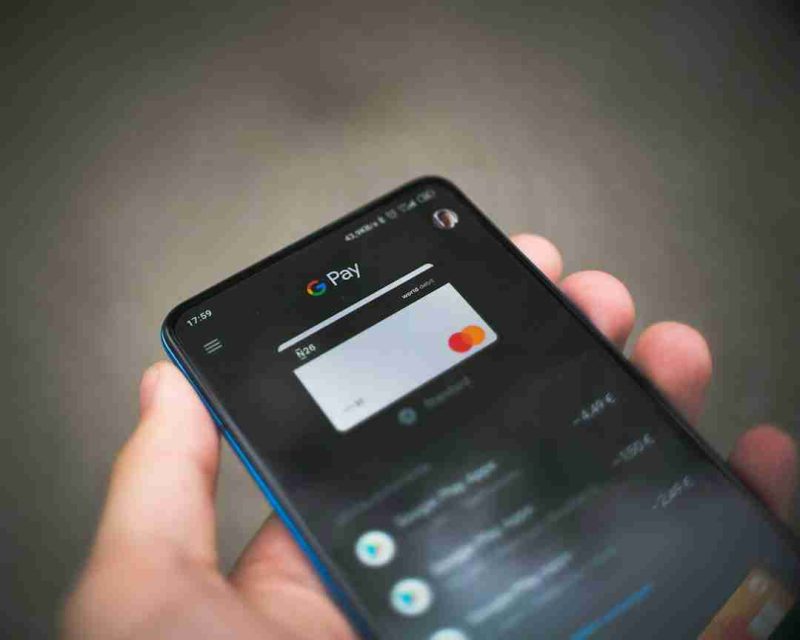
Traffic coming to your website is pointless if you cannot process payments via your mobile booking site. Research shows that roughly 81% of consumers that attempt to complete a mobile booking drop off before successfully finishing their transaction. There are several reasons for consumer drop off: high volume of requested information from the hotel, slow page load times or a questionable appearance of the payment page.
Here are some ways to address the problem of abandonment:
Have no more than 6 required fields on your book form.
The page should load in less than 3 seconds.
Use one-click mobile payment systems.
Do not require users to create an account to complete checkout.
Any additional steps that you make a user take on a small screen significantly reduce your likelihood of obtaining a direct booking. Every hotel should conduct continuous testing of its mobile booking sites by accessing the site from different mobile types and browsers and attempting to book a room.
If you have encountered technical issues with errors, slow page loads or confusing click buttons on a hotel property’s website then it’s almost a guarantee that numerous other potential guests are encountering the same technical issues as you, resulting in them leaving to book a room on one of the many third-party sites.
Planning the Response Steps
The way you respond to your potential guests or event planners inquiries will determine whether you can convert these inquiries into bookable events. To facilitate the successful conversion of all inquiries, hotel sales teams should implement a four-step response process to all incoming leads.
The first response must occur within 15 minutes of receiving the inquiry from the lead. The response must recognize the inquiry and offer relevant and immediate information about the potential guests or event planners’ questions.
If the potential lead does not respond to the initial response, the sales team should send a gentle reminder email 6 to 8 hours after they were sent the initial response.
The sales team will then call the potential lead the following morning to discuss their event objectives. The purpose of this call is to support the potential lead in accomplishing their event goals and should not include any sales pitch of the hotel’s amenities and services.
Finally, the sales team must send the potential lead an email directly from the hotel’s general manager, thanking them for their inquiry and offering personal assistance.

A straightforward, short email from the property’s management establishes a high level of trust. Once your sales team utilizes a structured day-by-day plan in their Customer Relationship Management Software (CRM) to follow the established process for all inquiries, the sales team will stop second-guessing themselves and can easily accomplish a successful conversion.
Outsourcing vs. In-House Sales Teams
The Problem With Cold Calls
In order to book large groups, you need to be persistent with outbound sales. Unfortunately, building a dedicated team to reach out to corporate event planners is a costly venture.
Even when hotel sales teams execute successful cold outreach campaigns to corporate event planners, the success rate of these campaigns is extremely low. The average cold campaign produces a qualified appointment booking rate of only 3% to 8%.

Since a sales rep needs to connect with hundreds of targeted companies just to have a limited number of true discussions about an order, hotels must determine if hiring and training and managing sales people internally make financial sense based on these basic figures.
If a property has only a few group sales in certain weeks throughout the year, hiring an internal outbound salesperson on a full-time salary may eliminate profits from the future bookings.
Defining a Qualified Meeting
Both agencies and hotels must mutually recognize a qualified meeting's definition when a hotel hires an agency to create appointments. Qualified leads are not just anyone who says "hello" on the other end of the phone. To achieve qualified meeting status in hotel group sales, there are numerous data points that must be fulfilled. Many sales agencies that offer services to hotels do not have success due to the fact that they send the hotel's closing team "bad conversations," which waste time.
Confirmed exact dates of upcoming events.
A specific number of required sleeping rooms.
A defined and approved budget.
A direct decision-maker is at the agency.
Before a hotel enters into a contract with a lead generation agency, it must demand a definite definition of success and must not pay for any meeting that does not meet these minimum conditions. When the agency captures these fields accurately, the hotel’s internal sales team has all the information necessary to create a proposal immediately without requiring the lead to repeat their information.
Top Platforms for Hotel Sales Lead Generation
1. HubSpot
As a large hub for cataloguing and managing inbound inquiry paths and business data it is an exceptional source for hotel sales lead generation.

2. Amadeus Delphi
The Amadeus Delphi system is designed specifically for the hospitality industry and it focuses on managing the sales and catering aspects of the hospitality business.
In many cases, hotels book a large wedding or group retreat and the sales team communicates the needs to the event staff, but it is the Delphi system that will bridge any gaps in communication between the sales team and the kitchen/operations staff. Delphi provides detailed reports on how many rooms in a group block have actually been reserved by paying customers, which is important for the hotel to understand how many rooms in the group have actually been booked.
3. Lead Shark
Lead Shark is designed to assist hotels in sourcing potential corporate groups and finding local rates for events that meet the needs of their location.
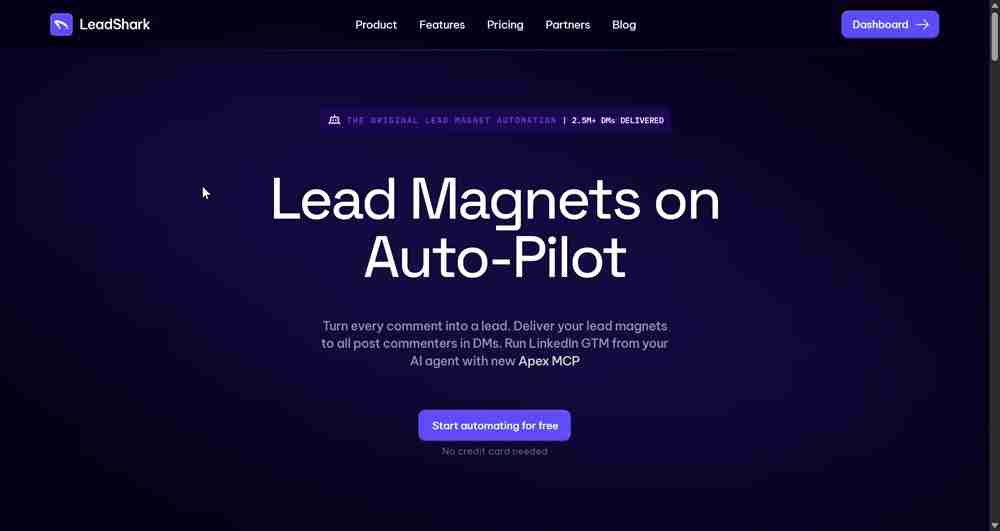
Lead Shark analyzes local market data and matches the hotel with potential corporate groups that are likely to use their business. According to Lead Shark, their software has generated thousands of leads and over $1,000,000 in total booked revenue by providing sales teams with verified contact information for potential corporate clients in a matter of minutes instead of hours of manual internet research.
4. Leadee
Leadee is focused on building targeted lists of hospitality providers and developing a multi-channel outreach plan. Sending targeted emails and managing phone calls, they set actual appointments for hotel teams to sell.
They identify corporate event planners and travel managers, assess the lead, and then arrange the meeting so the internal staff can concentrate on closing the sale.
5. SiteMinder
SiteMinder approaches demand from the distribution side. It connects hotels directly to multiple booking channels and demand signals so that rates and availability are consistently updated online.
SiteMinder delivers to its hospitality partners a more reliable booking process while also creating a database of hotel leads that will help hotel operators reduce their reliance on third-party travel agencies.
6. Event Temple
Event Temple is a cloud-based software program providing hotels with the capability to manage their sales, events, and catering operations.
The strongest feature of Event Temple is its ability to maintain multiple versions of proposals and contracts while negotiations take place. When corporate clients ask for three different changes to catering menus or schedules for meetings, Event Temple will organize all documentation so that the final contract reflects the agreement made.
7. Tripleseat
Tripleseat provides a high level of focus on venue management and visual representation of the deal pipeline.
The Tripleseat platform allows sales managers to visualize their entire pipeline of events; the contracts in circulation for signature; and the available dates on the calendar with ease. Its proposal process simplifies the workflow for hotels responding to inquiries and maintains momentum through the initial and critical phases of negotiations.
8. Cendyn Sales Suite
Cendyn’s sales solution is built for large hospitality brands with many hotel locations that each support many corporate customer accounts.
The Cendyn corporate customer sales solution helps hoteliers manage corporate customer accounts centrally, see the performance of corporate travel contracts across multiple locations, and hold regional sales directors accountable for the performance of those teams. As a result, it allows hoteliers to provide a level of oversight that will help ensure all global accounts are meeting expectations and that local sales directors are responding to leads that are assigned to them.
9. Salesforce Sales Cloud
Salesforce is the leading sales software solution for larger hotel brands that need tailored sales processes.

For larger hotel partners, Salesforce provides the ability to route leads to specific territories and hotels via complex logic. While Salesforce requires a significant investment of time and resources to fully configure, the benefit of having a central point of record to authenticate and validate your sales activities with third-party systems makes it a must-have for global hotel brands.
10. Pipedrive
Pipedrive's sales pipeline is a much more intuitive and visually appealing way to manage the process of developing a sales funnel than other products.

Pipedrive has received rave reviews regarding ease of use and is an excellent fit for smaller hotels and independent resorts that do not have dedicated technical staff to support them. Additionally, Pipedrive has tools to create website forms and chat features to capture leads directly from the hotel's website and put them into a sales column for future follow-up.
11. LeadHaste
LeadHaste is a managed outbound service for hotels and hospitality companies providing a range of solutions for their clients. LeadHaste handles the technical side of sending out bulk emails, maintaining domain reputation, and developing email campaigns that read and look natural while being written in a professional way.
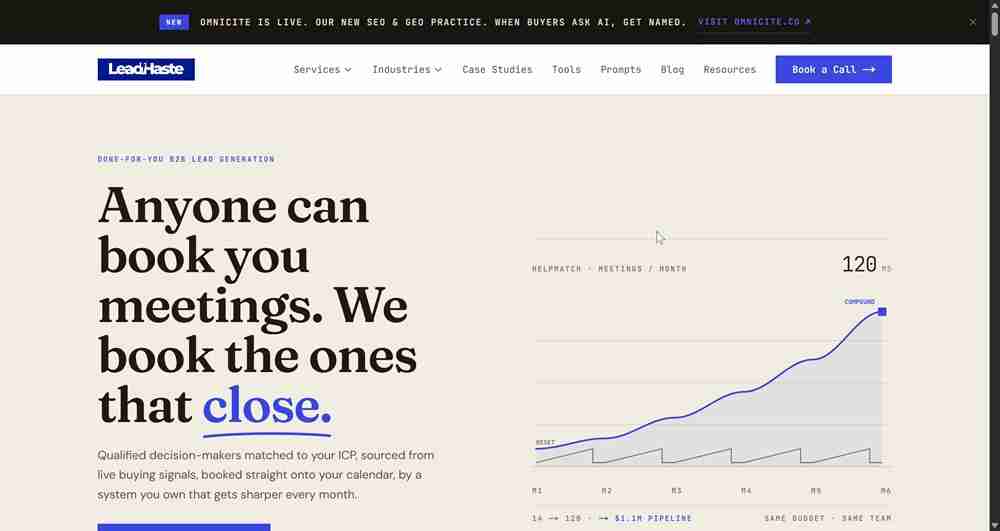
For a monthly fee of about $2500, they build targeted lists at the individual property level; then they do proactive outreach to potential prospects so that the hotel's staff only has to get involved when a potential guest replies back.
12. Alleyoop
Alleyoop is focused entirely on the event sales appointment-setting service. They utilize premium corporate databases to find businesses that are either expanding their offices, hosting retreats or doing some other activity that provides them with an opportunity to create a hotel room reservation. They concentrate solely on obtaining the site visit and the introductory call for qualified planners to fill the need for hotels that do not have the budget to hire a dedicated outbound sales staff.
13. Cvent
Cvent is a very large automated event technology platform that provides a mechanism for automating both how group inquiries are routed to individual properties and how group inquiries are qualified.
For hotels, they are the main source of requests for proposals (RFPs) that hotels submit for events. The Cvent platform places a heavy emphasis on quick handoffs to hotels and their standard process for qualifying group inquiries. Whenever an event planner fills out an RFP submission form for a large group, Cvent instantly routes that request to the correct hotel property and sales manager.
14. Oracle OPERA Cloud
Oracle OPERA Cloud links the results of sales leads with actual execution of the hotel operations.
They can take group requests from start to finish, through the bookings stages, and right to the point of contact with the front desk. Due to the fact that they function as both a property management system and a sales tool, they allow for complete execution context across the hotel to ensure that the kitchen, the front desk and the sales staff are all working from the same exact data with no manual transfer of the data.
15. RoomRaccoon
RoomRaccoon is a hotel management system designed specifically for small hotels and independent businesses.
It combines the functionality of both property management software (PMS) and sales/revenue tracking tools. It is especially noted for providing a single, centralized view of all sales activities, as well as continuous grouping throughout the planning process for groups. This means that if you operate an independent hotel and wish to monitor room blocks, as well as track daily sales without having to purchase several different software platforms, RoomRaccoon provides you with a single solution to meet your needs.
16. iVvy
iVvy provides an event management solution that includes various features for managing venues, including inquiries, pipelines, proposals, payments, etc. It offers automated tracking of group bookings and event registration.
Many users have praised iVvy for its automated follow-up tasks and lead routing capabilities. The ability to automatically create proposals and process payments has allowed sales teams to spend less time creating documents (which are often quite tedious) and instead devote more attention to actively selling their venue's event space to prospective clients.
17. Matrix by M1 Intel
Matrix by M1 Intel is a group sales pipeline management tool created for operators. It features visual tracking boards that allow hotel operators to easily and efficiently evaluate opportunities and view their entire portfolio of hotel properties at a glance.
Additionally, it has a unique feature in that it connects the version of the proposal/quote to the specific state of the workflow, which allows the sales manager to always see at what stage the deal stands as well as what actions need to be taken next by the client in order for the contract to be completed.
18. ProSolutions
ProSolutions is unique in that it merges a PMS with a specialized sales platform created specifically for independent hotels and resorts.
The method by which quote versions are managed in relation to the corresponding opportunity stage in the pipeline indicates the extent to which all negotiations will be monitored. Therefore, a sales director can look back at every lost opportunity and provide solid evidence of what happened via price changes and any communications that were exchanged with that lost customer.
The Bottom Line on Revenue Independence
When a hotel relies on third-party bookings at 100% of their revenue stream, they risk losing the ability to be profitable and ultimately to continue operation. Paying a commission rate of 15% to 30% is not a sustainable way to operate in a competitive marketplace. To achieve financial independence you need to approach demand generation and hotel sales lead generation with a disciplined methodology.
You should build the sales team to operate separately into individual and group functions, establish strict limits on response times, and employ state-of-the-art software solutions to track every interaction with prospective new clients.
Properties that successfully incorporate each of these basic operational processes will have the ability to stop paying any unnecessary commissions and begin developing a loyal, wealth-generating customer base that will book directly every single time.
Questions on Direct Booking Orders
Who will be responsible for monitoring the 15-minute response time for bookings made over the weekend?
The responsibility for the 15-minute response time for bookings made over the weekend must be placed with the front desk team on weekends or during hours when the sales managers cannot be available to respond to email 24 hours a day.
Front desk staff must be trained to understand basic questions, collect all relevant contact details, and send an email that provides confirmation that a senior sales associate will get back to the requester the following business day. No customer should ever have to endure radio silence.
Why do high-traffic hotel websites report low conversion rates?
When a website receives high volumes of traffic but converts at a low rate of conversion, this typically indicates that the mobile booking engine is severely flawed.
A four-second wait for a website to load, or having to complete a lengthy address form using a mobile device keyboard to complete the booking process, will lead guests to open up another app on their mobile device and book the exact room at the same price. High traffic will only create revenue for a hotel once the payment process is seamless.
When does it make economic sense for a hotel to outsource outbound sales?
Hotel management should consider outsourcing outbound sales if the hotel has a distinct need to fill lagging times of year. However, if the hotel lacks the annual budget to hire a full-time employee with salary and benefits, then outsourcing makes financial sense.
For example, if a hotel needs 20 corporate contracts to remain viable through the winter months, paying an agency a few thousand dollars-a-month for a very defined contract for a set amount of time (90 days) will yield significantly more revenue than hiring a full-time employee to fill that need.
How does response speed affect win percentages with local competition?
When a corporate planner sends out requests for quotes, they generally contact three to five hotels that happen to be located within the same neighborhood.
The property that responds first with a correct quote establishes the pricing foundation for the entire negotiation process, and faster responses create perceptions of operational integrity. Conversely, a hotel taking two days to respond will leave the planner with the impression that the planner should expect similar delays and carelessness regarding their event if they choose that hotel.